
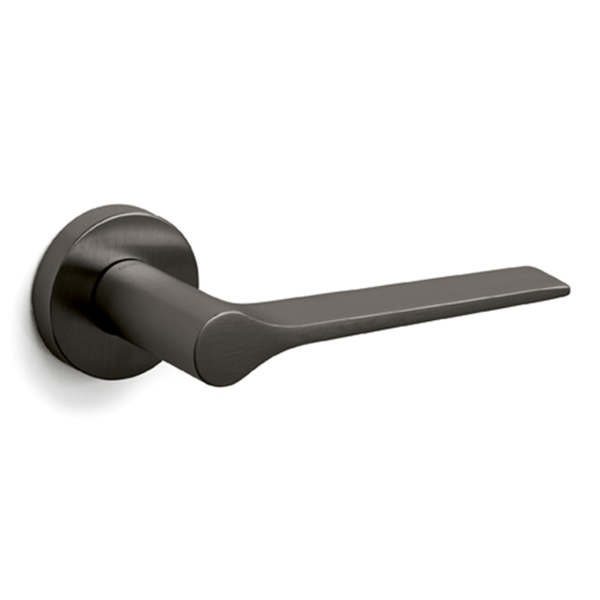
Finishes: Lacquered v Non-lacquered
Why we don’t Lacquer Brass Hardware – And why that’s a good thing
In the highly aesthetic world of interior design, the promise of a flawless, long-lasting finish can have a glossy allure. It’s a question we’re often asked by architects, interior designers and specifiers:
“Why don’t you use lacquer or clear coatings on your brass hardware?”
The answer is simple. Every material choice we make is intentional. Lacquer conflicts with our environmental values, doesn’t stand up to the realities of everyday use, and ultimately works against the natural beauty of solid brass. At Williams Ironmongery, we believe a living finish offers something far more valuable than a permanent shine, it offers authenticity, longevity and character.
Synthetic Lacquer, is essentially plastic
The only practical lacquer for coating metal hardware is a synthetic, acrylic-based clear coating. In simple terms, it’s a thin layer of plastic sprayed over the surface of solid metal. While this creates a pristine appearance when first applied, it also forms a barrier between the user and the material itself, preventing the brass from developing naturally over time.
From an environmental perspective, this isn’t something we can support. As lacquer deteriorates, it can shed microscopic plastic particles that contribute to the growing issue of microplastic pollution. These particles can be transferred onto hands and dispersed throughout interior environments. As manufacturers, we believe we have a responsibility to reduce our environmental impact wherever possible—not add to it.
Lacquer doesn’t age gracefully
Although lacquer is designed to protect a surface, it rarely wears evenly. Instead, it gradually breaks down in the areas that experience the most contact, resulting in hardware that looks worn rather than beautifully aged. As lacquer begins to fail, it can:
- Chip and flake around frequently touched areas
- Trap dirt and grime around damaged edges
- Leave patchy, uneven marks that cannot be polished away
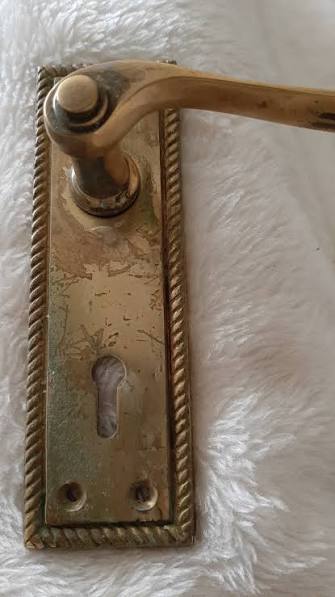
Unlike untreated solid brass, failing lacquer cannot simply be restored. Once the coating has deteriorated, the only real solution is complete replacement—making it both costly and unnecessarily wasteful. There’s also a technical limitation.
The beautiful patination process that creates aged brass finishes forms a naturally oxidised surface. Clear coatings struggle to bond effectively with this layer, meaning lacquer applied over aged finishes is often destined to fail from the outset. To be clear, lacquer does have its place. On decorative metalwork that experiences little or no physical contact, it can be an effective way to preserve a particular appearance. For architectural hardware that is touched hundreds or even thousands of times throughout its life, however, it simply isn’t the right solution.
Living finishes a natural beauty of Brass
A living finish begins with solid brass. The metal is carefully polished before being brushed or treated using an accelerated ageing process to create the desired appearance. The acids used during this process are neutralised after use and safely returned to water as part of responsible manufacturing practices. From that point onwards, nature takes over. Rather than resisting change, a living finish embraces it. Exposure to touch, air and the surrounding environment gradually creates a rich, unique patina that reflects how each piece is used. No two handles, knobs or pulls will ever age in exactly the same way.
It’s the beauty of genuine solid metal. Much like natural leather or timber, brass develops character over time. Every subtle mark, softening of tone and change in colour tells the story of the building and the people who use it. It’s a finish that evolves rather than deteriorates.
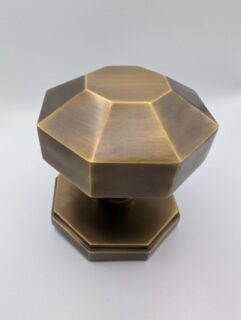
Designed to Last, Made to Age Beautifully
At Williams Ironmongery, we believe the very best materials don’t remain frozen in time, they improve with it. By choosing solid brass with a living finish instead of synthetic lacquer, you’re choosing hardware that is more sustainable, more authentic and ultimately more beautiful as the years pass. Rather than hiding the material beneath a layer of plastic, we honor its natural ability to age with grace. Because true craftsmanship isn’t about preventing change. It’s about creating products that become even more remarkable because of it.